Vans Old Skool: Why is this 45-year-old skate shoe still ruling the streets?
In front of trendy shops in Harajuku, Tokyo, in front of record stores in London’s West End, and in the skate park in Venice Beach, Los Angeles – you can always see that familiar side stripe. Since its launch in 1977, Vans Old Skool has transcended time in an incredible way and become a common language among different cultural circles.
The birth of a stripe
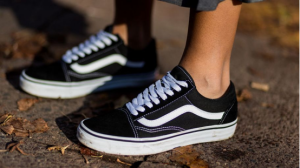
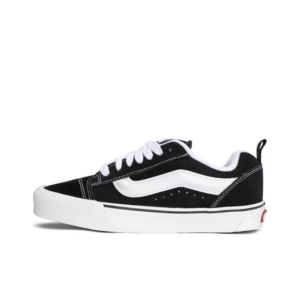
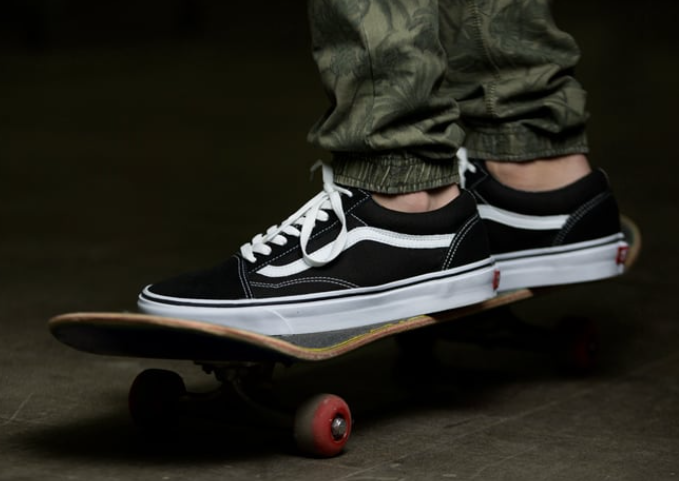
The wavy side stripe, known as the “Jazz Stripe”, was originally just a sketch drawn by the designer on the side of the shoe. No one thought that this improvisation would become the brand’s most lasting visual symbol. Early skaters discovered that this stripe could form a unique dynamic visual effect during high-speed skating, and later became a symbol to identify Vans.
Interestingly, the original functionality of the stripe has long been forgotten – it was once designed to strengthen the support of the upper, but now exists purely as a cultural symbol. This transformation from practical to symbolic is the core of the Old Skool’s charm.
Common choice of different generations
The 70s remember it as a professional skateboarding shoe, worn out by the edge of the U-shaped pool;
The 90s see it as a standard for rock concerts, with the toe of the shoe covered with mud from music festivals;
The Z generation sees it as a fashion item paired with wide-leg jeans, keeping it deliberately new.
In a skateboard shop in Los Angeles that has been open for 40 years, the owner Mark told us: “I have seen three generations of grandparents and grandchildren wearing the same Old Skool to buy shoes. Grandpa pointed to his photo in 1978, and the grandson was looking for the latest joint model – they were wearing almost the same shoes on their feet.”
Global local expression
A close look at the way Old Skool is worn around the world reveals subtle differences:
Tokyo: paired with loose overalls, revealing the edge of the stockings
London: combined with tight jeans to emphasize slender lines
Los Angeles: worn directly barefoot, pursuing a casual effect
This diversity in unity makes Old Skool a truly global item. As one fashion critic said: “It is like jeans, it can find its place in every cultural context.”
The tug-of-war between quality and sentiment
Old players always argue: Does the current Old Skool still maintain the quality of the year?
1970s version: uses thicker canvas, but the comfort is not good
2000s version: adds more cushioning technology, loses some of the original feel
Modern version: balances durability and comfort, but the vulcanized sole becomes thinner
In the Vans custom workshop in Orange County, California, the technicians showed us an interesting phenomenon: the “Pro Classics” series launched in recent years is actually using modern technology to reproduce the early craftsmanship standards, completing a wonderful reincarnation.
Purchasing advice: Find your version
Purists: Choose the black classic (Style #36)
Comfort seekers: Consider the ComfyCush version
Collectors: Pay attention to the thickened canvas version limited to Japan
Prices range from $60 for the basic model to $200 for the special joint, but the core experience remains the same. As one collector said: “You don’t buy a pair of shoes, you buy a choice that will never go out of style.”
Why is it still ruling?
The enduring charm of the Old Skool may lie in its “imperfections”:
• A stiff heel that needs time to break in
• A flat sole that is easy to slip on rainy days
• A crease that will always appear
These “flaws” instead form an emotional connection – they make each pair of shoes uniquely change with the wearer. In this era of instant gratification, this relationship that needs to be cultivated is particularly precious.
When you see someone wearing a worn-out Old Skool on the street, the worn stripes may hide a story of youth, an attitude towards life, or just a simple choice – to become part of this cultural narrative that has lasted for 45 years.