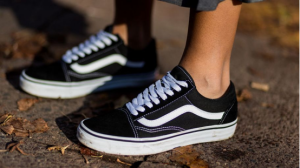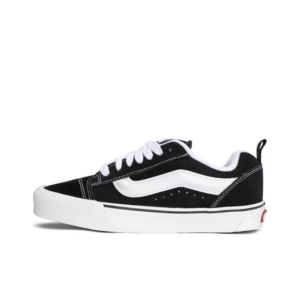
The evolution of Vans: from a few dollars to a standard in skate culture
Introduction: Not just shoes, but an attitude
When someone jokes that “wearing Vans is a standard for losers”, do you realize that this pair of seemingly simple canvas shoes actually carries nearly 60 years of street culture and innovative spirit? Today, let’s talk about how Vans has become a timeless classic in the skateboarding, music and fashion circles by relying on word of mouth and subculture.
1. Original intention: To overthrow middlemen and provide benefits to consumers
In 1966, Paul Van Doren, a shoemaker in Anaheim, California, who had worked in a shoe factory for 20 years, was dissatisfied with the sports leather shoes that cost tens of dollars on the market at that time. He decided to skip the middlemen, produce by himself, open his own store, and reduce costs to the extreme.
Front-shop-back-factory model : Consumers can customize on-site and buy a pair of new shoes for just a few dollars.
Excellent craftsmanship : Van Doren’s twenty years of experience in shoemaking ensures the durability and comfort of the shoes.
Once this model was launched, it immediately ignited the city streets: customers lined up early, paid a deposit, and waited a few days to pick up their shoes; within a year, Vans stores were spread throughout Southern California.
2. Symbiosis with skateboard culture: a loyal partner of street extremes
Coincidentally, skateboarding was on the rise among American teenagers. Skateboarding boys discovered that Vans soles had outstanding grip, were wear-resistant and fashionable, and went perfectly with their street style of jeans and T-shirts.
Signature rubber outsole : Unique waffle pattern provides excellent traction.
Advantages of low-top shoes : light and flexible, suitable for skateboarding fancy moves; although high-top shoes have upper protection, they are not suitable for skateboarding competitions.
Since then, Vans has become the “standard attire” for skateboarding, pushing the brand deeper into subculture circles.
3. Music and fashion: pioneers of collaboration and customization
Skateboarding culture is naturally compatible with rock, punk, heavy metal and other music scenes. Vans took advantage of this opportunity to start co-branded collaborations with top bands: Iron Maiden, The Clash and others have launched signature models.
At the same time, Vans encourages users to modify the shoes by themselves: stamping, painting, graffiti, so that each pair of shoes has a unique personality. This spirit of “everyone is a designer” is still widely circulated in the fashion circle.
4. Adhere to affordable prices: value and sentiment go hand in hand
Unlike many trendy brands that keep raising their prices, Vans’ classic models have long maintained prices in the $30-60 range. For example, the Era Classic from ten years ago is still priced at the same level today. This pricing strategy not only maintains the entry threshold, but also allows the brand to retain its pure “street roots” in the minds of consumers.
However, the use of environmentally friendly glue in recent years has also brought a small amount of “glue peeling” reputation problems. Vans is even jokingly called “the one with peeling glue is the real Vans”, but the continuation of the brand’s founding spirit seems to be more recognized by people who love its culture.
Conclusion: The cultural image of a pair of shoes
From being affordable at a few dollars to being admired by skateboarders, rock bands and trend groups, Vans has spent nearly sixty years proving the power of word of mouth and culture. In today’s fast-food fashion world, can Vans still stick to its original aspirations? Or what kind of transformation will it usher in in the new wave of culture? I look forward to your opinions.